Must Haves essentials for your D2R Dare2Go Challenges and Hikes
Disclaimer: This post, in addition to some high quality content, may contain affiliate links to respected retailers for your convenience. It means that if you buy anything through those links, I receive a tiny commission at no extra cost to you. Thank you for your your support!
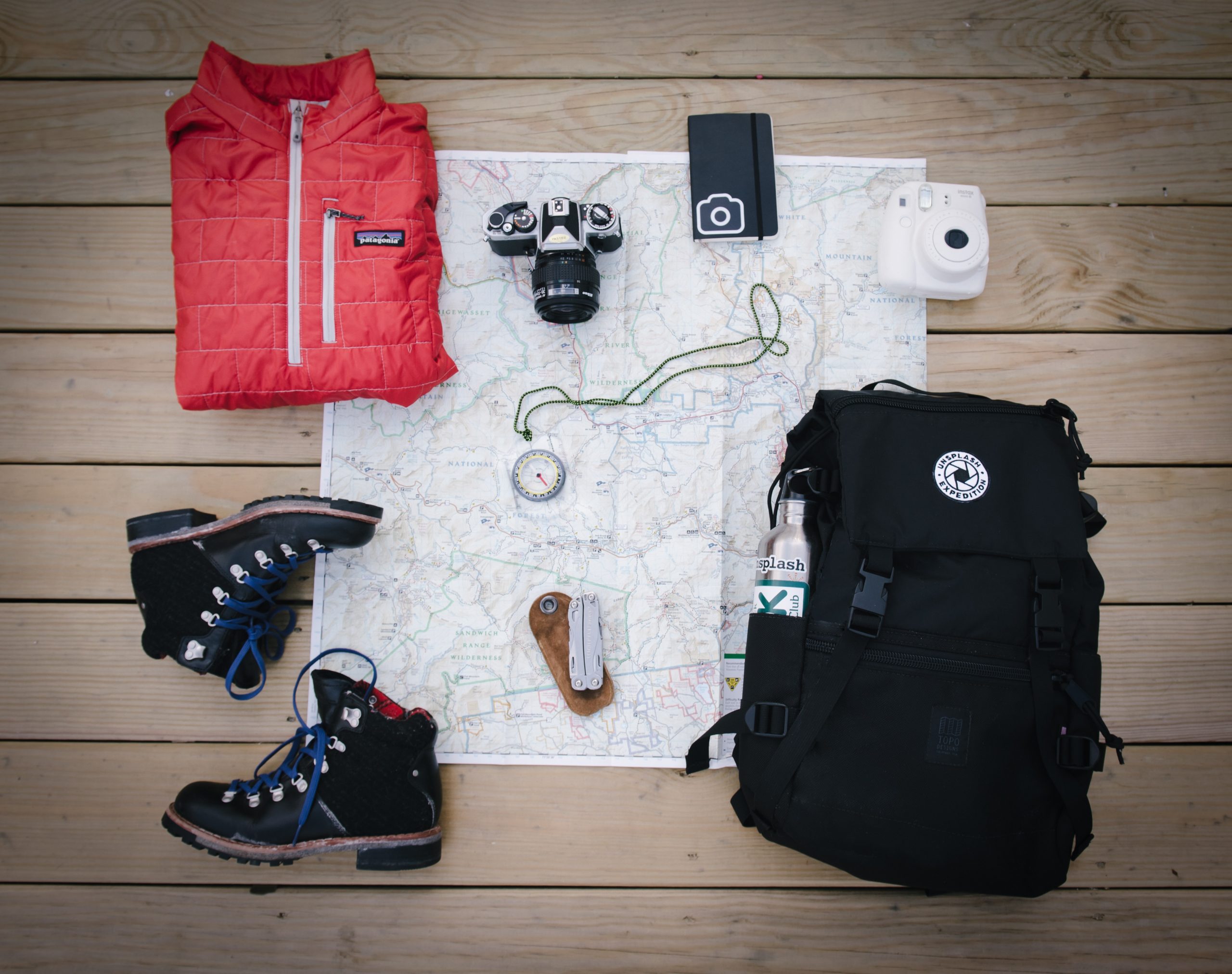
it’s important that all D2R hikers carry what are known as the Ten Essentials whenever they head outdoors. The Ten Essentials are 10 items that every d2r hiker should bring on every outing, in the event of emergency.
The Ten Essentials first appeared in the 1974 book Mountaineering: The Freedom of the Hills and were updated in 2003 to account for technological advances and specific needs.
Lets go over these 10 items and take notes for your next D2R!
1.Navigation
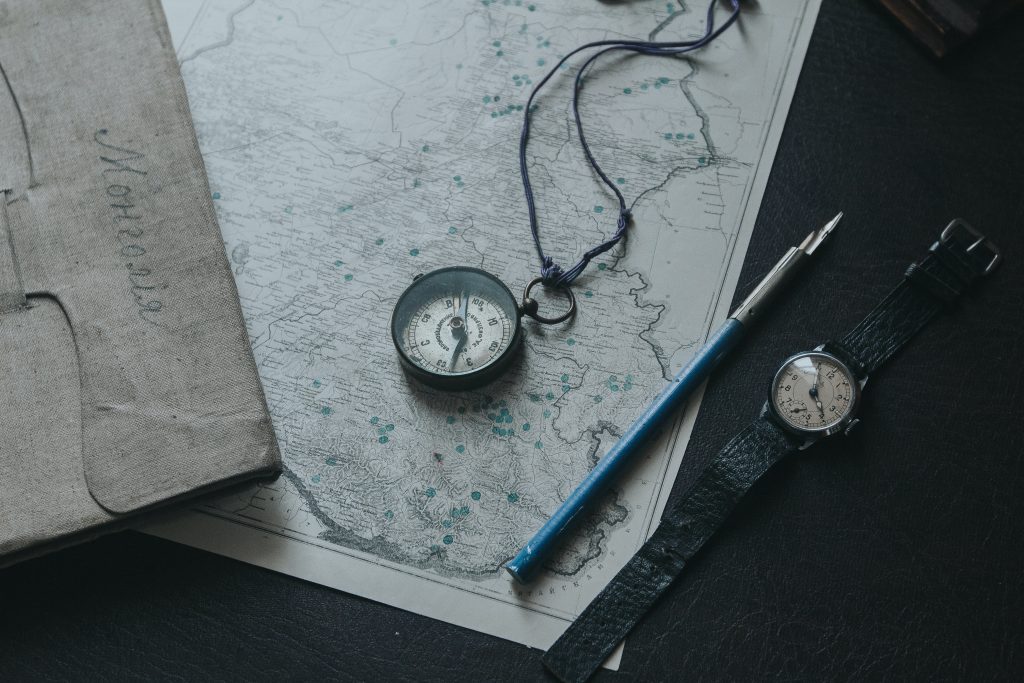
We we Disconnecting from all electronics so forget about using your phone GPS to navigate your hike, Instead, go the safest way! go old-school. When it comes to navigational aids, which can be a lifesaver when you take a wrong turn or walk off-trail, even after a few steps, minimum, carry a compass, and a paper map . Topographic maps, in particular, provide elevation gains and usually account for landmarks—both pieces of information that can prove vital in case of emergency.
Read more about Navigation in our D2R Education corner
2.Sun Protection
Protecting yourself from excessive sun exposure IS A MUST!
Get a pair of sunglasses, sunscreen, and sun-protection clothes, all of which block the UV light that damages our body skin and eyes
Look for some sunglasses and make sure to learn more about the lenses’ UV-blocking capabilities.
For sunscreen, aim for a sun protection factor (SPF) of 15 or 30, and keep in mind that you’ll need to reapply more often in hot temperatures. (every 2 hrs)
Sun Protection (UPF) Clothes
Choosing clothing that has been designed for sun protection and tested to confirm its Ultraviolet Protection Factor (UPF) will give you greater control over your total level of UV exposure.
Always look for a garment’s lab-tested UPF rating (if it’s available) to evaluate its true UV protection level.
If it doesn’t have a UPF rating, remember
- Dark fabrics usually provide more UV protection than lighter ones.
- Denser weaves provide more UV protection than looser weaves.
- Polyester and nylon offer more sun protection than natural fibers Read all about SUN PROTECTION in our D2R Education and Gear Section

3.Insulation
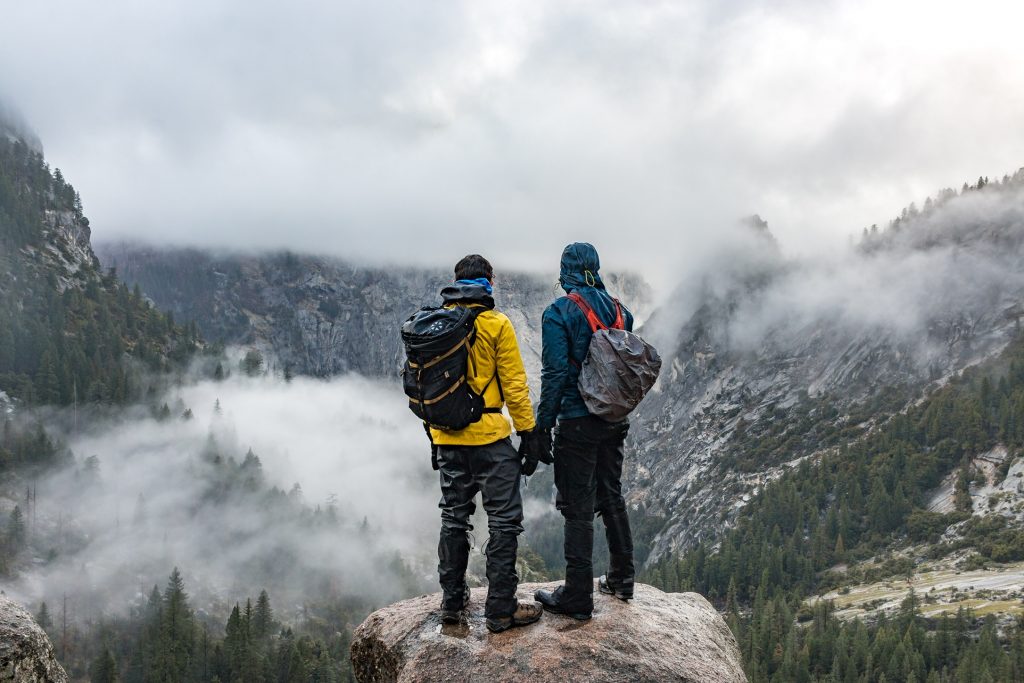
Conditions as we Hike up can change very quickly, so it’s important to bring layers of clothes to account for unpredictable weather. That’s where the dress in layers like an onion comes in!
Always have handy gloves and a hat —they take up so little room and can make a huge difference if the temperature drops unexpectedly
From the inside out: The first layer should be a moisture-wicking shirt that helps your body remain warm in cool conditions (or cool in warm conditions) In D2R we choose Merino Wool for cold and hot as our number one choice!
AVOID COTTON AT ALL COSTS!! as it absorbs sweat and moisture , stays wet forever and causes chafing.
The next layer should be for insulation, which traps air near your body and keeps you warm. Use wool and down sweaters and vests usually are great choices.
Finally, come prepared with an outer “shell” layer to protect against wind, rain, snow, and other nasty conditions. Some (but not all) “shell” jackets are breathable, and most (but not all) are waterproof; what you use should account for the climate you’ll be in.
4.Ilumination
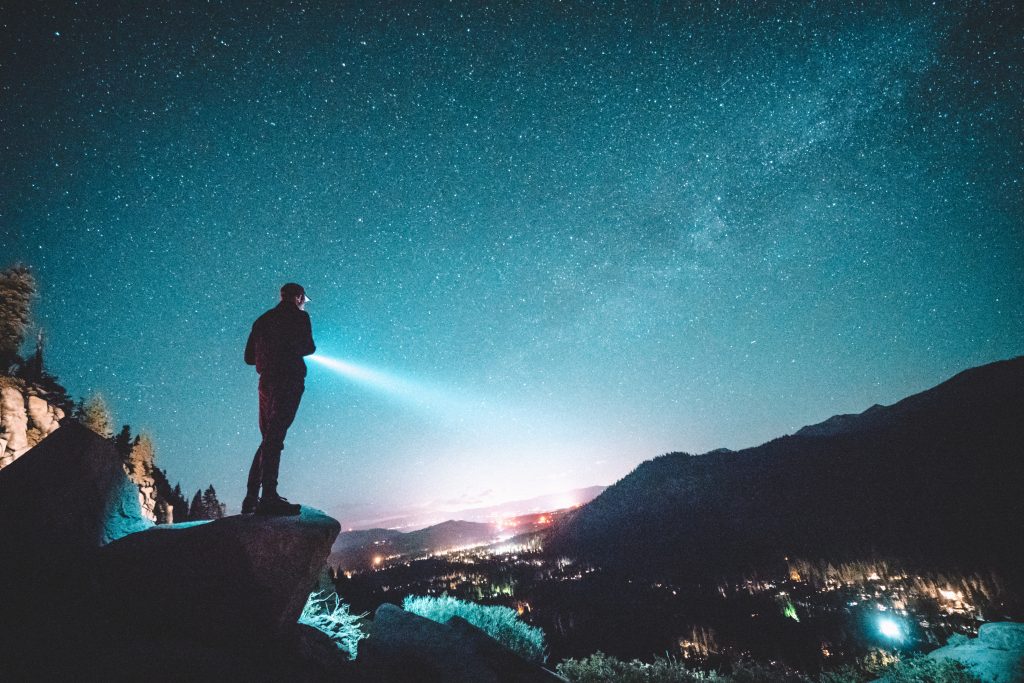
Always carry with you a headlamp or flashlight for low-light conditions and in case of getting lost or an emergency to alert responders to your location! Headlamps are a great choice to have since is hands-free and usually have a long battery life; most headlamps also include some kind of strobe setting that helps search-and-rescue units find you in foggy conditions and dense forests.
Flashlights, meanwhile, benefit from powerful beams and lightweight portability. Whatever you choose, be sure to check the batteries before setting off, and don’t forget to pack spares!
5. First Aid Supplies
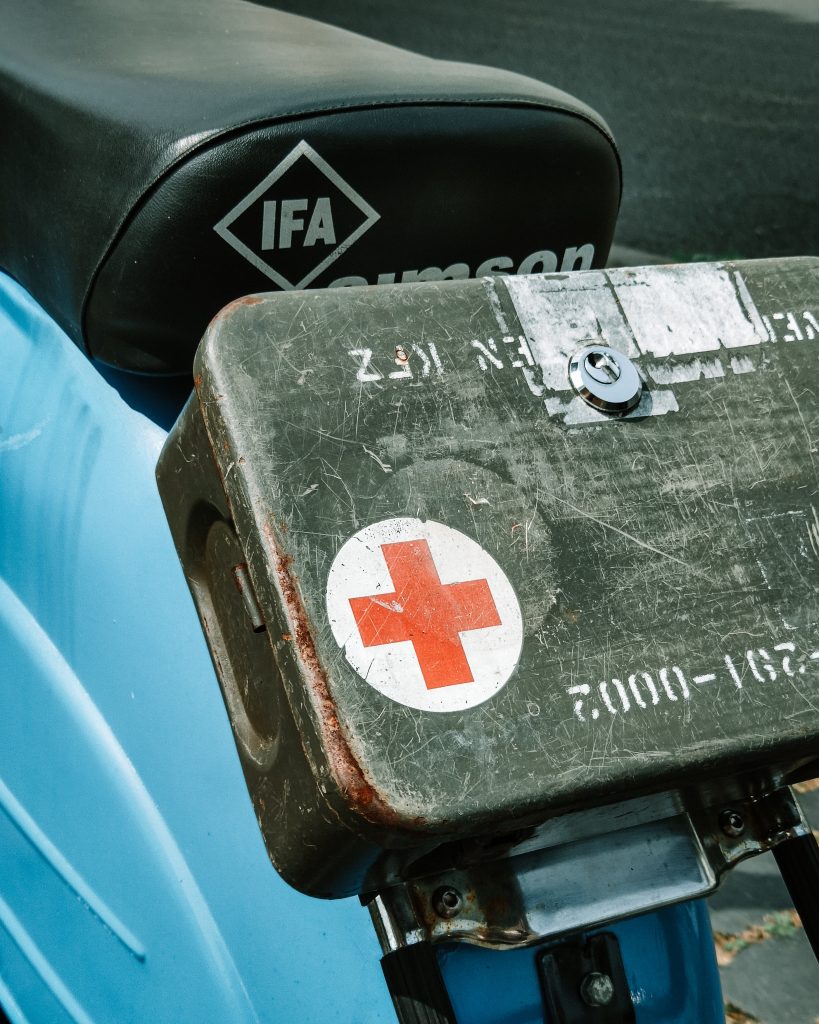
You can put together your own first aid kid with basic things or buy one online you can find first aid kits almost in every store, where they sell compact, portable first-aid kits with gauze, bandages, ointments, and other essentials for treating small cuts, scrapes, blisters, and bug bites.
These are usually adequate for day trips and short outings, but for longer, overnight treks, your kit will need to include more things depending on the season and area where you will be hiking!
6. Fire
Have a fire-starting kit which can be matches, lighters, or an emergency fire-starting kit.
Matches (either waterproof matches or conventional matches stored in a waterproof container) can start fires quickly and easily, and they make for ideal back-ups when conventional lighters run out of fuel. Pro tip: Consider packing along a little paper, dryer lint, wood chips, and petroleum jelly-covered cotton balls to help start a fire (and keeping it going).

7. Repair Kit and Tools
Your repair kit and tools depend on your needs, climate, conditions, outdoor comfort level, survival skills, and gear. The longer you’re out, and the more gear you carry, the more you’ll want for repair and safety.
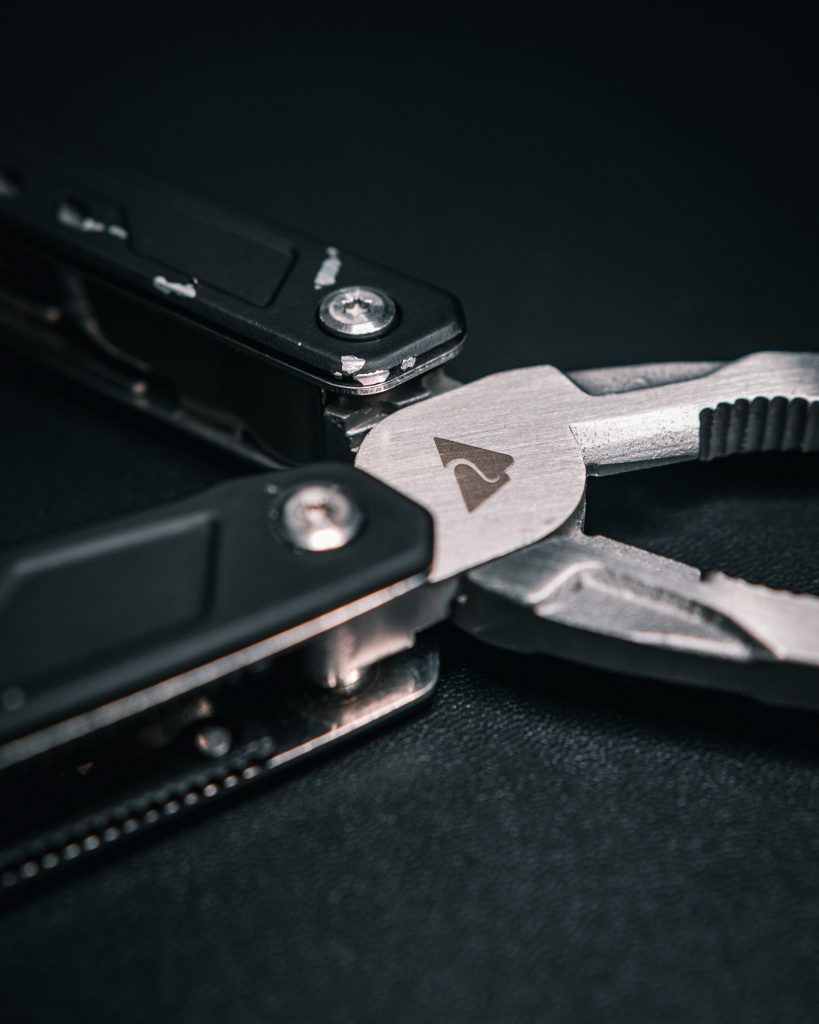
At the very least, consider a pocket knife or multi-tool; the latter is especially helpful for screwing glasses back together, repairing gear, preparing food, opening cans, cutting cloth, and more. Other optional accessories include patch kits for air mattresses, trowels for digging holes, extra screws for glasses, and DUCT TAPE—for repairing seemingly everything. There’s a reason many veteran adventurers always carry a roll of duct tape in their packs.
8. Nutrition
There’s very little downside to bringing extra food on a hike, even a short one. Be sure to pack a few snacks, as well as an extra meal’s worth of food (if not two). Aim for non-perishable items that won’t wither in extreme conditions, including jerky, gels, trail mix, granola or energy bars, dried fruit, chips, and crackers
Read more about Outdoors Nutrition in our D2R Education corner

9. Hydration
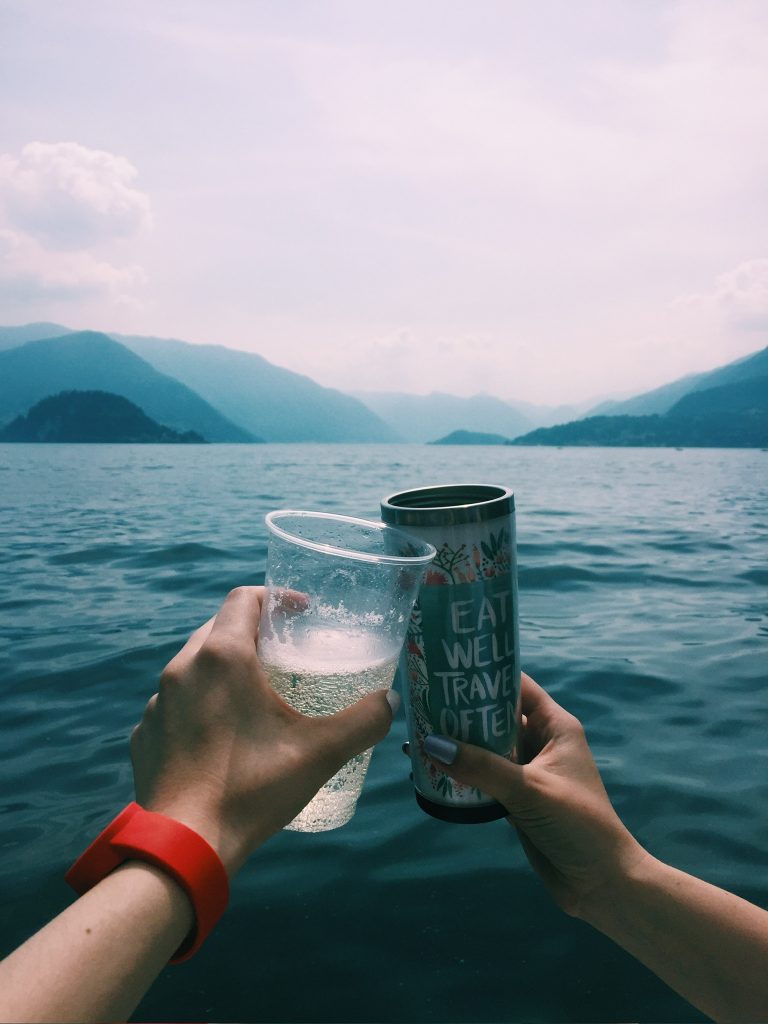
There’s no magic formula for figuring out how much water to carry. So keep your distance in mind when deciding: The longer you hike, and the more strenuous your trip, the more water you’ll need.
Always bring at least one full bottle of water, as well as water purification tablets or a portable purifier for longer trips.
Make sure you rehydrate before you feel dehydrated and remain mindful of how much water you have left.
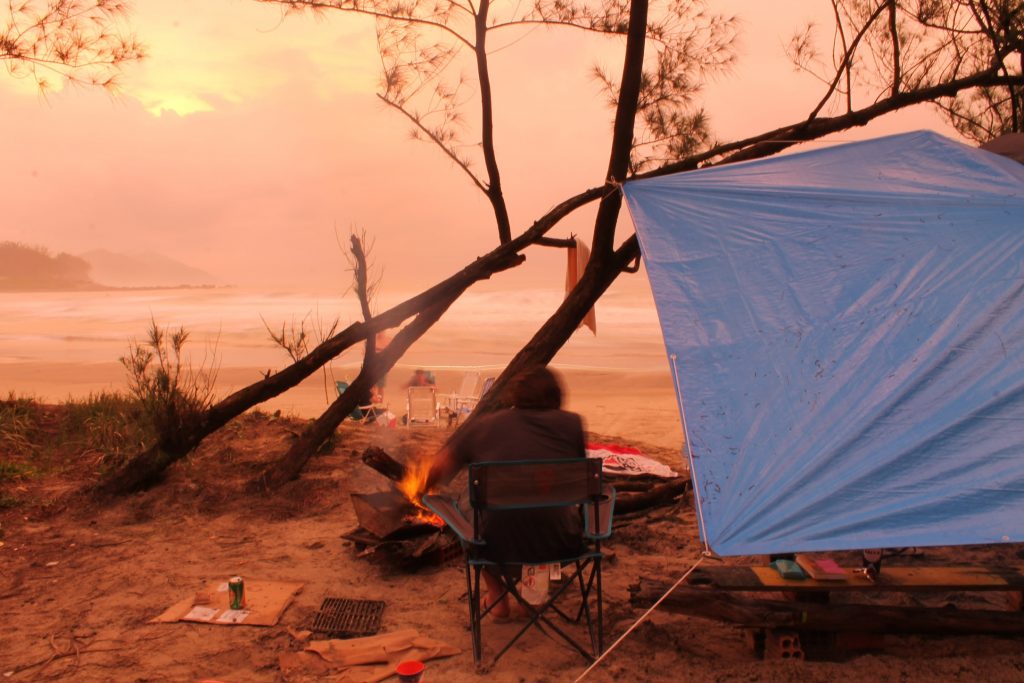
10. Emergency Shelter
If you become lost or otherwise stranded, shelter can play an important role in keeping warm and guarded against the elements.
If packing a tent seems excessive or unwieldy, consider a lightweight tarp, foil emergency blanket (commonly called “space blankets” for their resemblance to something an astronaut might wear), sleeping pad, or even garbage bag—all of which can make an unexpected night in the outdoors a little more bearable.