
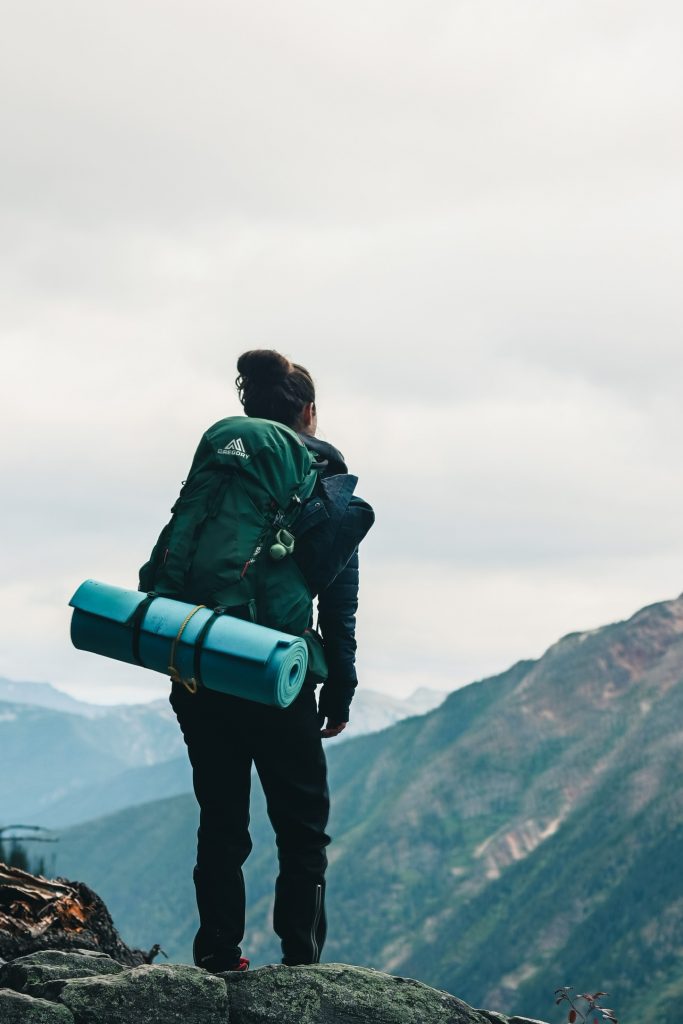
D2R Clothing Basics Guide: What to wear while Hiking
There are many variables that will have to be taken into consideration when choosing our hiking outfits: what type of terrain, how many kms are we going to hike, how many hours, what temperatures are we going to be exposed, to name some.
Being able to accommodate to all these variables in terms of clothing and footwear will determine the outcome of your success or defeat while d2r!
WHAT TO WEAR WHILE D2R
Confi and sturdy pants: Trails have twists and turns, so you need to move freely—moisture-wicking and flexible material is your best bet for bottoms.
A moisture-wicking top: Depending on the weather, consider a short-sleeve or long-sleeve shirt made of moisture-wicking material (e.g., merino, nylon, polyester) to help keep you cool and dry.
A warm jacket: Polyester fleece works great for this, though a puffy jacket with a polyester fill or water-resistant down inside is smart for colder conditions.
A rain jacket: Opt for a jacket that’s waterproof and breathable, meaning it will block rain and wind, but will also let you sweat without feeling like you’re wearing a plastic bag. In seriously soggy weather, pack rain pants too.
A brimmed hat: Keep your head dry and protected from the sun. Don’t forget to also bring sunglasses.
Sturdy shoes: You don’t need heavy-duty or leather hiking boots, but your hiking footwear should provide support, protection from rocks and roots, and traction on wet and dry surfaces.

What Not to Wear Hiking
Although there’s no official dress code out on the trail, there are a few items you’d do best to avoid if you want to maximize personal comfort:
Cotton, including denim: Cotton—and denim, which is made of cotton fibers—absorbs moisture, so it can keep you feeling sweaty in hot temps and chill you if things turn cold and wet. Whenever possible, look to other natural or synthetic fibers with moisture-wicking properties. That said, cotton may work just fine for you on shorter hikes and in optimal weather conditions.
Clothes you love too much to ruin or get dirty: Dirt and sweat can be par for the course while hiking trails, so if there’s an article of clothing you’d prefer not to get dirty or wet, it’s best to leave it at home.
Improper footwear: The shoes you choose for a hike might be the most consequential decision you’ll make for both comfort and protection, so choose sturdy, well-fitting shoes or hiking sandals that can handle the job. You’ll want to avoid taking brand-new shoes out on longer hikes; it’s best to break them in slowly on shorter trails to avoid the possibility of sore feet and blisters.
Jewelry: Consider your jewelry before wearing it out on the trail. Looser pieces like necklaces and bracelets can be dangerous if they get snagged or snarled in branches, and rings or earrings can be lost, instantly turning hiking happiness into heartbreak. Generally, when hiking, we advise leaving anything precious or irreplaceable at home.
Packs that are too heavy or don’t fit: No hiker wants to be weighed down with an overloaded or ill-fitting daypack or backpack. Too much weight can make the trek a slog, and a pack that’s poorly fit can cause chafing and soreness. Read more at How to Choose Daypacks and How to Choose a Backpack.