
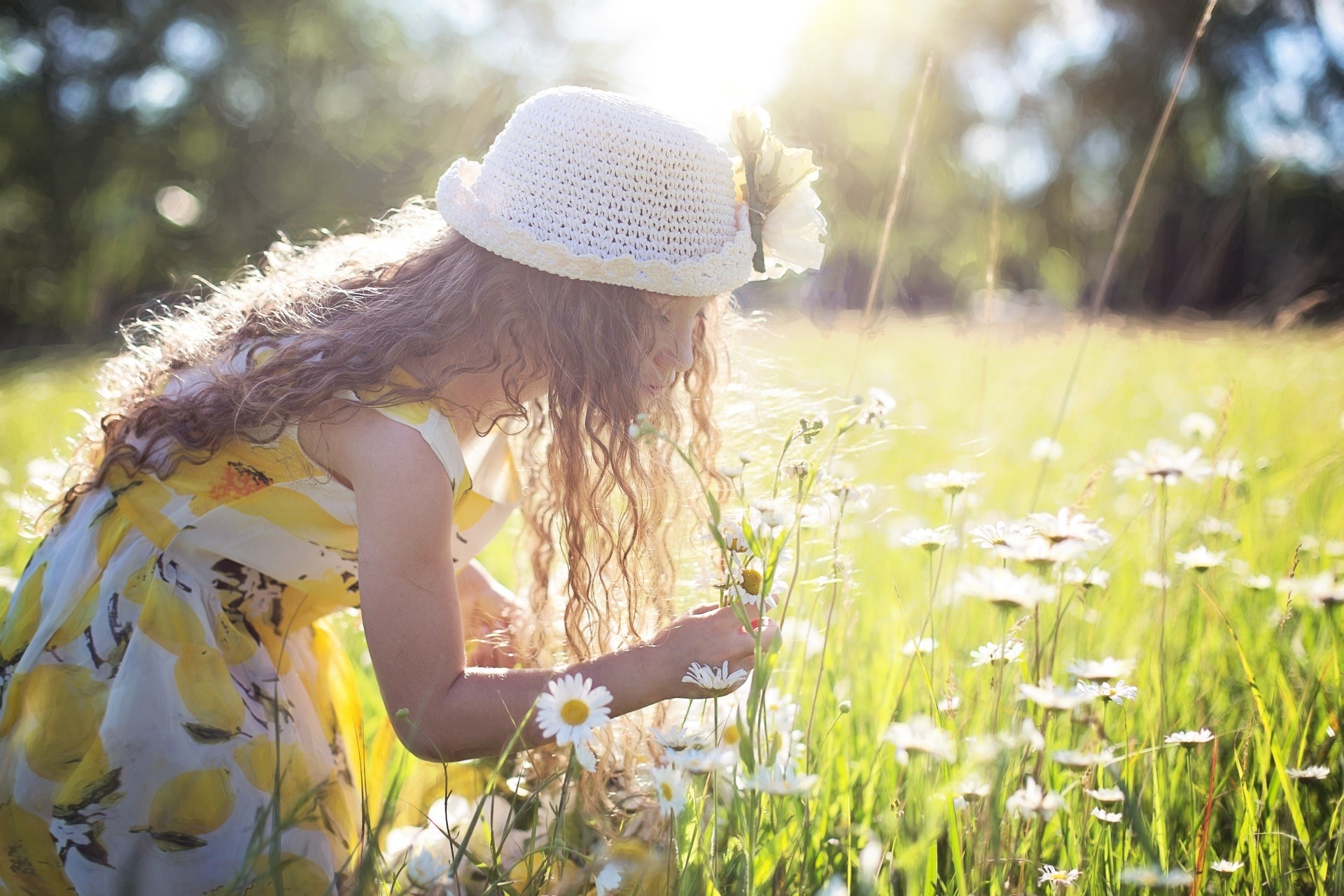
Resolution about the Child’s right to connect with Nature and to a healthy environment (2012)
WCC-2012-Res-101-EN
Child’s right to connect with nature and to a healthy environment
OBSERVING that there is a significant decline in the quality and quantity of children’s direct experience with the natural world as a result of global developments such as urbanization (already 50% of the world population lives in cities and this will be 70% in 2050 according to predictions of the United Nations), biodiversity loss, deforestation, industrialization and environmental degradation;
RECOGNIZING that there is a widely shared concern about the increasing disconnection of people and especially children from nature, and the adverse consequences for both healthy child development (‘nature deficit disorder’) as well as responsible stewardship for nature and the environment in the future;
BUILDING ON Resolution 4.105 Communication, education and public awareness (CEPA) in conservation adopted by the 4th IUCN World Conservation Congress (Barcelona, 2008), which acknowledges the vital importance of connecting children and nature, and states that “connecting children to nature as part of their everyday lives in meaningful ways tends to be a precursor to their growing up as adults with passion and commitment to work actively in support of conservation of the environment and natural resources” and in addition requests the IUCN Director General to assist the IUCN membership in reconnecting people, especially children, and nature as a priority in order to assure responsible stewardship of the environment for the generations to come;
DEEPLY CONCERNED about the significant consequences of increasing environmental problems such as climate change, species extinction and degradation of ecosystems, for the lives and development of children, the most vulnerable group of society in this respect, and for their future; CONVINCED that children, since they are an inalienable part of nature, not only have the right to a healthy environment, but also to a connection with nature and to the gifts of nature for their physical and psychological health and ability to learn and create, and that until they have these rights they will not bear responsibility for nature and the environment;
ALSO CONVINCED that growing up in a healthy environment and connecting children with nature is of such a fundamental importance for both children and the (future of) the conservation of nature and the protection of the environment, that it should be recognized and codified internationally as a human right for children;
WELCOMING the identification of human rights issues as a cross-cutting issue within IUCN and the IUCN Rights Based Approach mandate based on Resolution 4.056 Rights-based approaches to conservation adopted by the 4th IUCN World Conservation Congress (Barcelona, 2008);
FURTHER WELCOMING the significant and substantial work done by the IUCN Environmental Law Centre (ELC) in collaboration with the IUCN World Commission on Environmental Law (WCEL), aiming to further develop the concept of a rights-based approach to conservation, among others in the publication Conservation with Justice: a rights-based approach;
NOTING that the concept of a child’s right to connect with nature and a healthy environment fits with the Rights Based Approach to conservation, since it contributes positively to the valuation and conservation of nature and to the realization of existing children’s rights – such as the right to life and development, health, an adequate standard of living and the right to engage in play;
RECALLING that links between human rights and the environment have been recognized in Article 1 of the Aarhus Convention (1998), and in several United Nations policy instruments, among others the Stockholm Declaration (1972), the World Charter for Nature (1982), the Rio Declaration (1992) and Agenda 21, the Millennium Development Goals, in particular Goal 7 on ensuring environmental sustainability, as well as in The Earth Charter: a ‘peoples’ document which provides an ethical framework for sustainable development;
ALSO RECALLING the explicit recognition of a human right to water and sanitation as part of other existing human rights in the United Nations General Assembly Resolution 64/292 of 28 July 2010 and in General Comment No 15 (2002) of the United Nations Committee on Economic, Social and Cultural Rights;
AWARE of the recent appointment of an independent expert on human rights and the environment by the United Nations Human Rights Council in its resolution HRC/19/L.8/Rev.1 of 20 March 2012;
EMPHASIZING that the relatively new concept of the right to connect with nature is known and recognized for indigenous peoples in article 25 of the UN Declaration on the Rights of Indigenous Peoples (2007): “Indigenous peoples have the right to maintain and strengthen their distinctive spiritual relationship with their traditionally owned or otherwise occupied and used lands, territories, water and coastal seas and other resources and to uphold their responsibilities to future generation in this regard”, and that their right to a healthy environment is recognized in Article 29;
FURTHER EMPHASIZING that the Convention on the Rights of the Child contains specific anchors on which the child’s right to connect with nature and a healthy environment could be based: Article 29 (1e) on the development of respect for the natural environment as an aim of the child’s education and Article 24 (2c and e) on the child’s right to health which refers to clean drinking water, the dangers and risks of environmental pollution and environmental sanitation;
CONSCIOUS of the potential of children as agents of change to which Principle 21 of the Rio Declaration refers: “The creativity, ideals and courage of the youth should be mobilized to forge a global partnership in order to achieve sustainable development and ensure a better future for all” in conjunction with IUCN Resolution 4.098 Intergenerational partnerships: fostering ethical leadership for a just, sustainable and peaceful world adopted at the 4th IUCN World Conservation Congress (Barcelona, 2008);
CONSIDERING the explicit recognition of a human right to a healthy environment regionally, such as in the African Charter on Human and Peoples Rights and the American Convention on Human Rights, and nationally in multiple national constitutions; and
CONCLUDING HOWEVER, that a human right for children to connect with nature and to a healthy environment has not yet been internationally recognized nor codified in any legally binding United Nations (human rights) treaty, like the Convention on the Rights of the Child; The World Conservation Congress, at its session in Jeju, Republic of Korea, 6–15 September 2012:
1. ENDORSES the child’s right to nature and a healthy environment, which includes inter alia:
a. the child’s inherent right to connect with nature in a meaningful way, as a substantial part of his or her everyday life and healthy development, and to enjoy, maintain and strengthen this connection through the direct and ongoing experience of nature;
b. the child’s right to live in an environment that is not harmful to his or her health or well-being, and to the assurance of the conservation of nature and the protection of the environment, for the benefit of present and future generations; and
c. the child’s right to be equipped for the responsibility to help address the environmental challenges he or she will unfortunately be confronted with, and to help realize a sustainable world that values nature and where people live in harmony with nature;
2. CALLS ON IUCN’s governmental and non-governmental Members, its Permanent Observer Mission to the United Nations and the Director General to: a. promote and actively contribute to the international acknowledgement and codification of the child’s right to nature and a healthy environment within the United Nations human rights framework, preferably in an additional protocol to the Convention on the Rights of the Child; and b. help introduce the draft text “The child’s right to nature and a healthy environment” on the agenda of the United Nations Human Rights Council; and
3. REQUESTS the Director General in collaboration with the Secretariat and the IUCN World Commission on Environmental Law (WCEL), within the scope of their mandates, to:
a. contribute to the further development and knowledge of the legal concept: the child’s right to nature and a healthy development as part of the rights-based approach to conservation; and
b. advise on the draft text “The child’s right to nature and a healthy environment” and provide guidance on the aims to be achieved and actions to be undertaken in order to have this right recognized and codified within the framework of the Convention on the Rights of the Child.
State and agency Members of the United States abstained during the vote on this Motion for reasons given in the US General Statement on the IUCN Resolutions Process.