
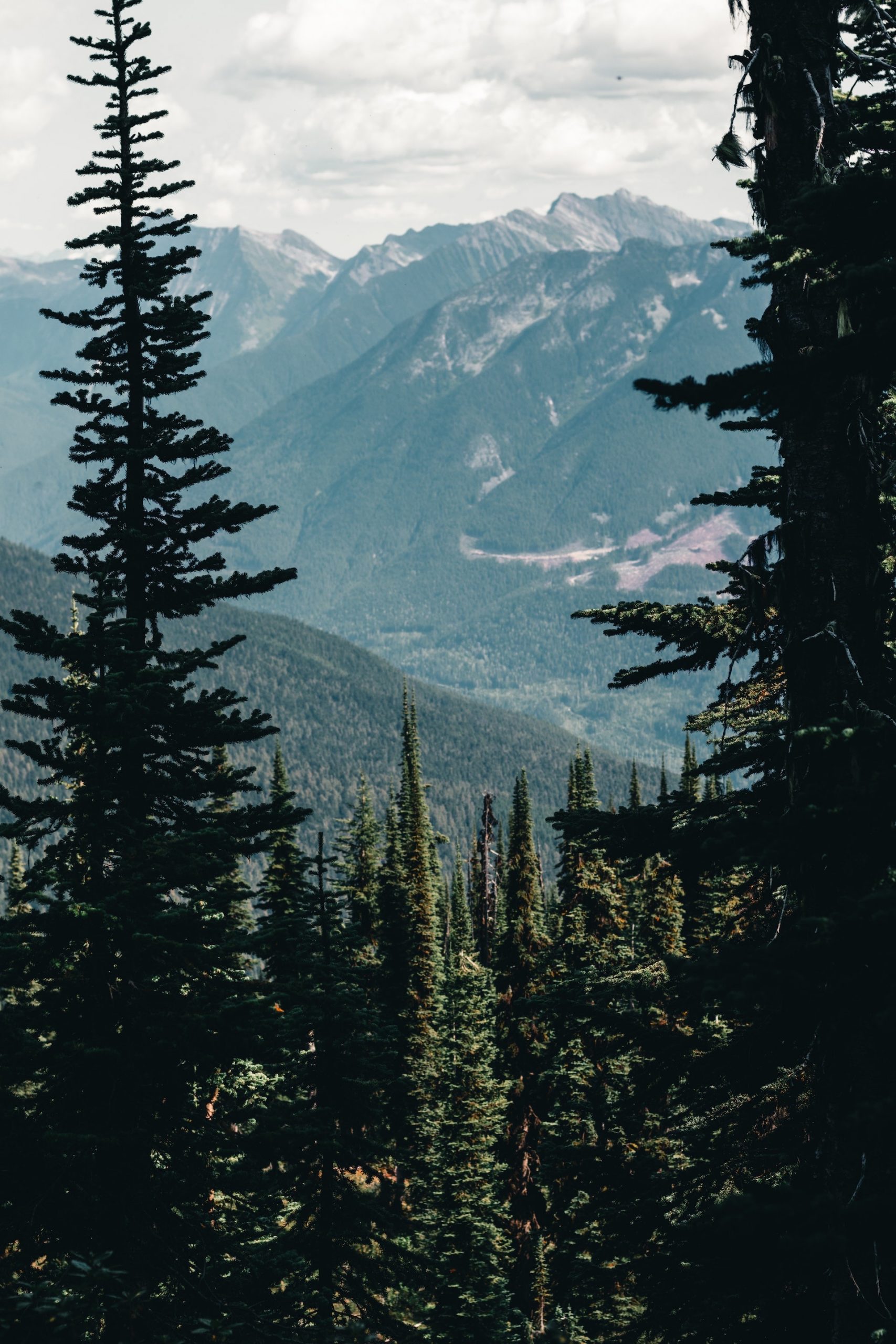
Why “Wilder” Nature Is Better for Your Health A study of the stress-reducing powers of wilderness explores “levels of nature.By Alex Hutchinson Jun 27, 2018
One of the things I love about my neighborhood in Toronto is that I’m a block away from the Humber River, a historic fur-trading route that flows into Lake Ontario. Back in 1954, after Hurricane Hazel flooded homes in the valley, the city expropriated a bunch of land and turned it into a linear park meandering through the city, with tens of miles of bike trails and gravel paths running alongside the river.
This happens to be the same neighborhood where I grew up, so I’ve seen the parkland change over the years, from vast swaths of heavily manicured and pesticide-ridden lawn to a more natural mix of forest and unkempt savannah. These days, running on the trails, it’s much easier to imagine you’re in the middle of nowhere. And if you hop into a canoe, you can effectively leave the city behind (as long as you don’t paddle too close to the sewage plant near the mouth of the river).
Playing in my local pseudo-wilderness has always been fun. But it may be more than that. In recent years I’ve started paying attention to a stream of research suggesting that these kinds of natural settings have powerful—and measurable—physical and mental benefits. There have been numerous studies over the past decade or two that follow a similar basic pattern: Ask someone how they feel, test some physiological parameters, then send them to wander around in a forest for an hour and see if their physical and mental health improves compared to a similar walk in the city. The general answer is yes, it does. So the next question is: Why?